OPERA PRODUCTION IN NEDJELJKO FABRIO'S CHRONICLES THE MAESTRO AND HIS APPRENTICE
OPERA PRODUCTION IN NEDJELJKO FABRIO'S CHRONICLES THE MAESTRO AND HIS APPRENTICE
Sažetak
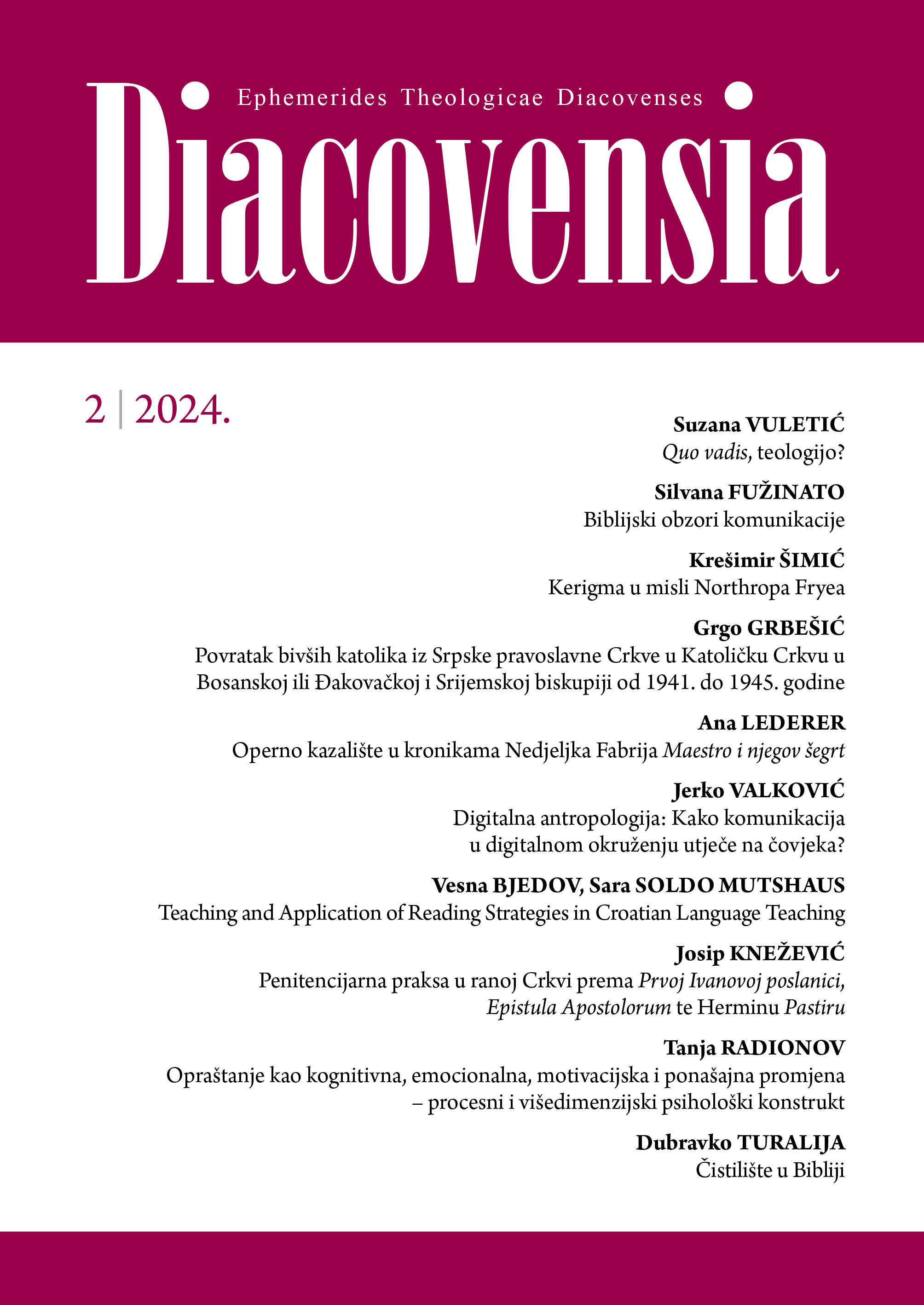
Rad se bavi teatrološkim aspektima tekstova Nedjeljka Fabrija o opernim predstavama o kojima je pisao u okviru glazbene kronike Maestro i njegov šegrt u časopisu „Republika“ od 1986. do 1994., a koji su zasebno objavljeni u knjizi Orfejeva djeca (2008.) podnaslovljeni kao „prilog povijesti recepcije u Hrvata“. Pripadajući nizu književnika koji su promišljali i vrednovali glazbenu i glazbeno-scensku umjetnost te potvrđujući kontinuitet višestrukih isprepletenosti hrvatske glazbe i književnosti, Fabrio je u Orfejevoj djeci kritički razmatrao i književnu i glazbenu sastavnicu djela te njihovu glazbeno-scensku realizaciju na pozornici. U svakoj kronici o pojedinoj opernoj predstavi Fabrio analizira libreta, istražuje genezu djela, recepciju svih njegovih izvedbi u povijesti hrvatskoga opernoga kazališta, ali i recepcijski i produkcijski kontekst u kojemu se operno djelo izvodi te ga kritički prosuđuje. Orfejeva djeca postaju nezaobilazno vrelo za buduća teatrološka istraživanja hrvatskoga opernog kazališta.
Objavljeno
Broj časopisa
Rubrika
Licenca
Autorska prava (c) 2024 Ana Lederer

This work is licensed under a KreativniCommons Attribution-NonCommercial Međunarodne licence.
Diacovensia je časopis u otvorenom pristupu. Radovi ili dijelovi radova besplatno se smiju koristiti za svaku svrhu uz poštivanje autorskih prava autora i izdavača.